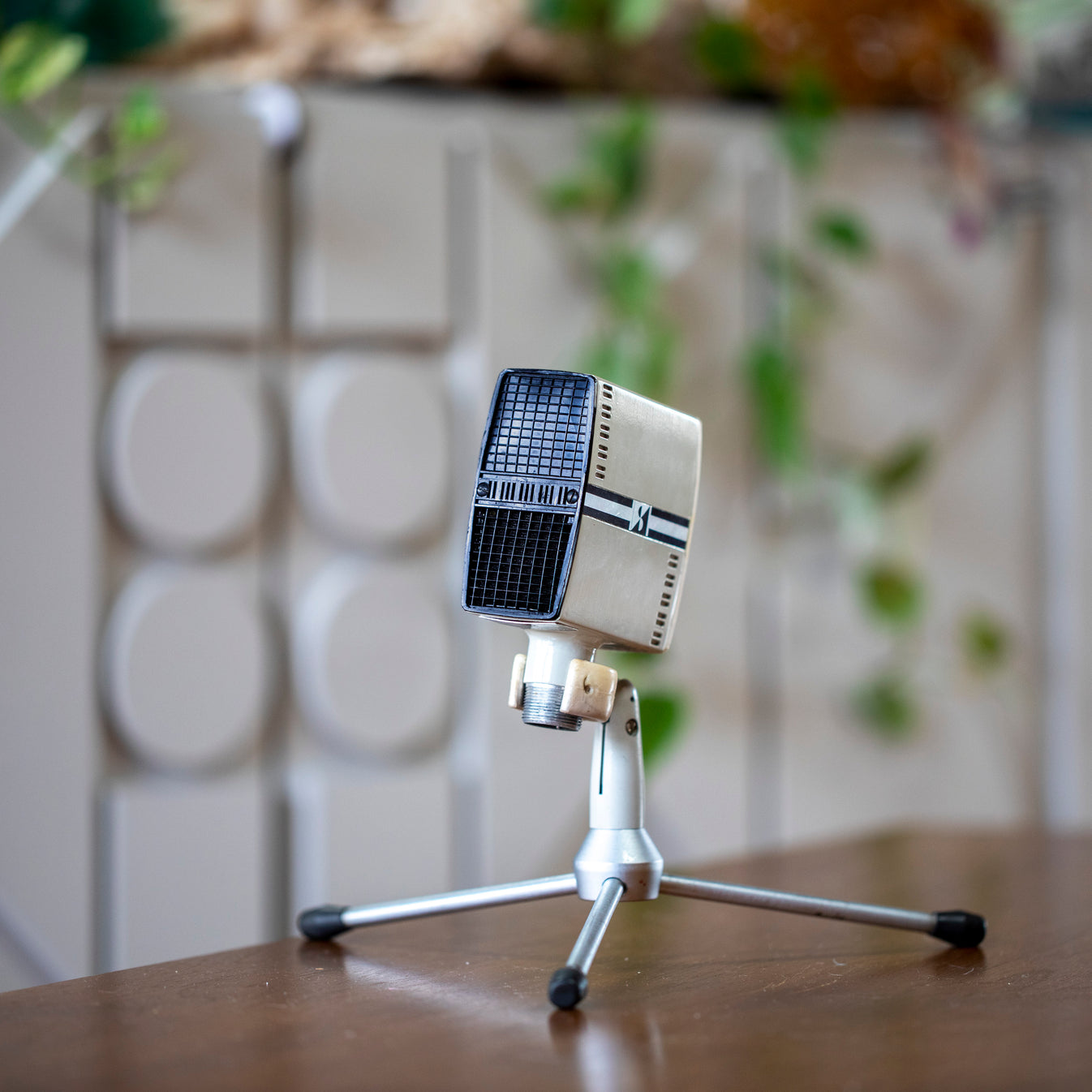
IRPA MD-69
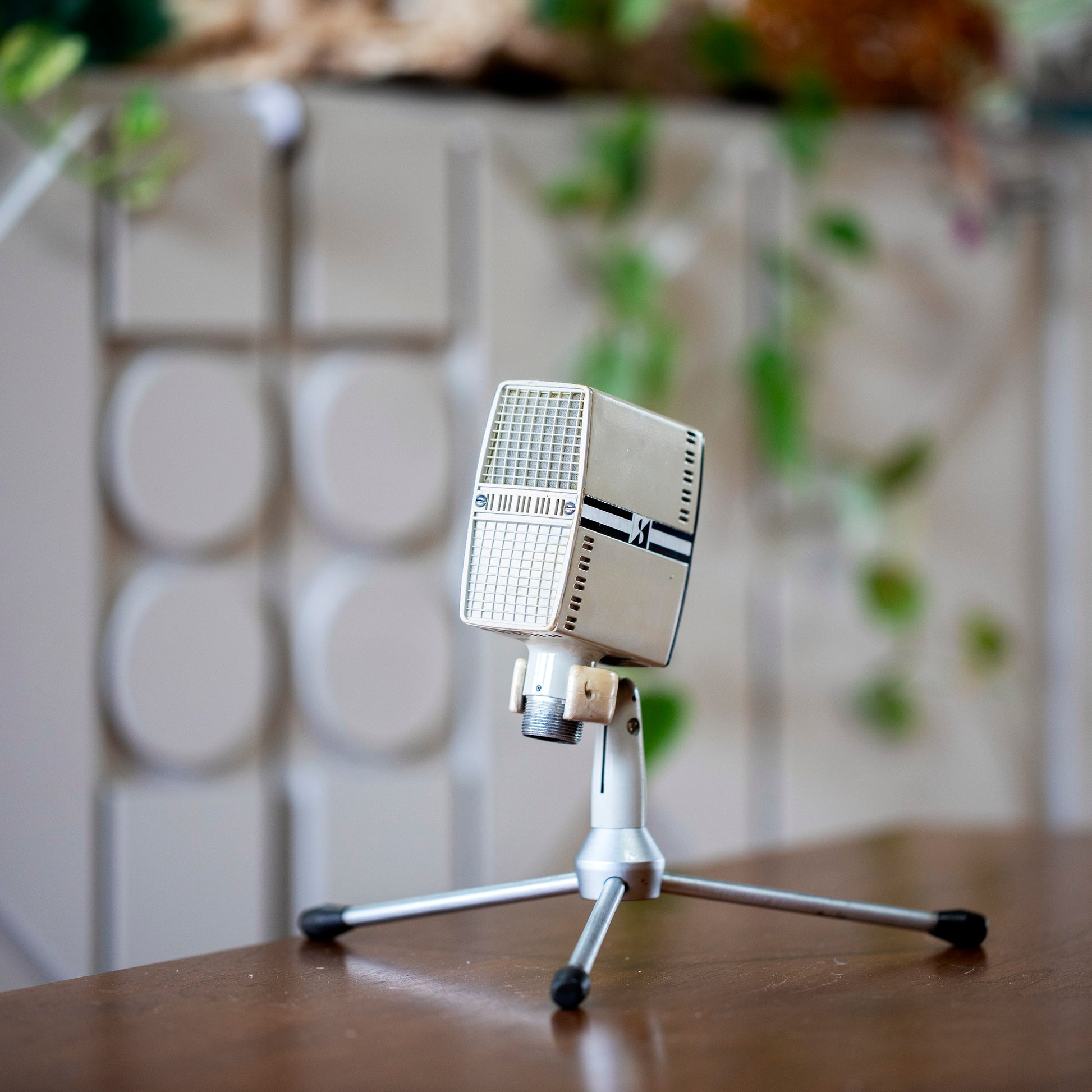
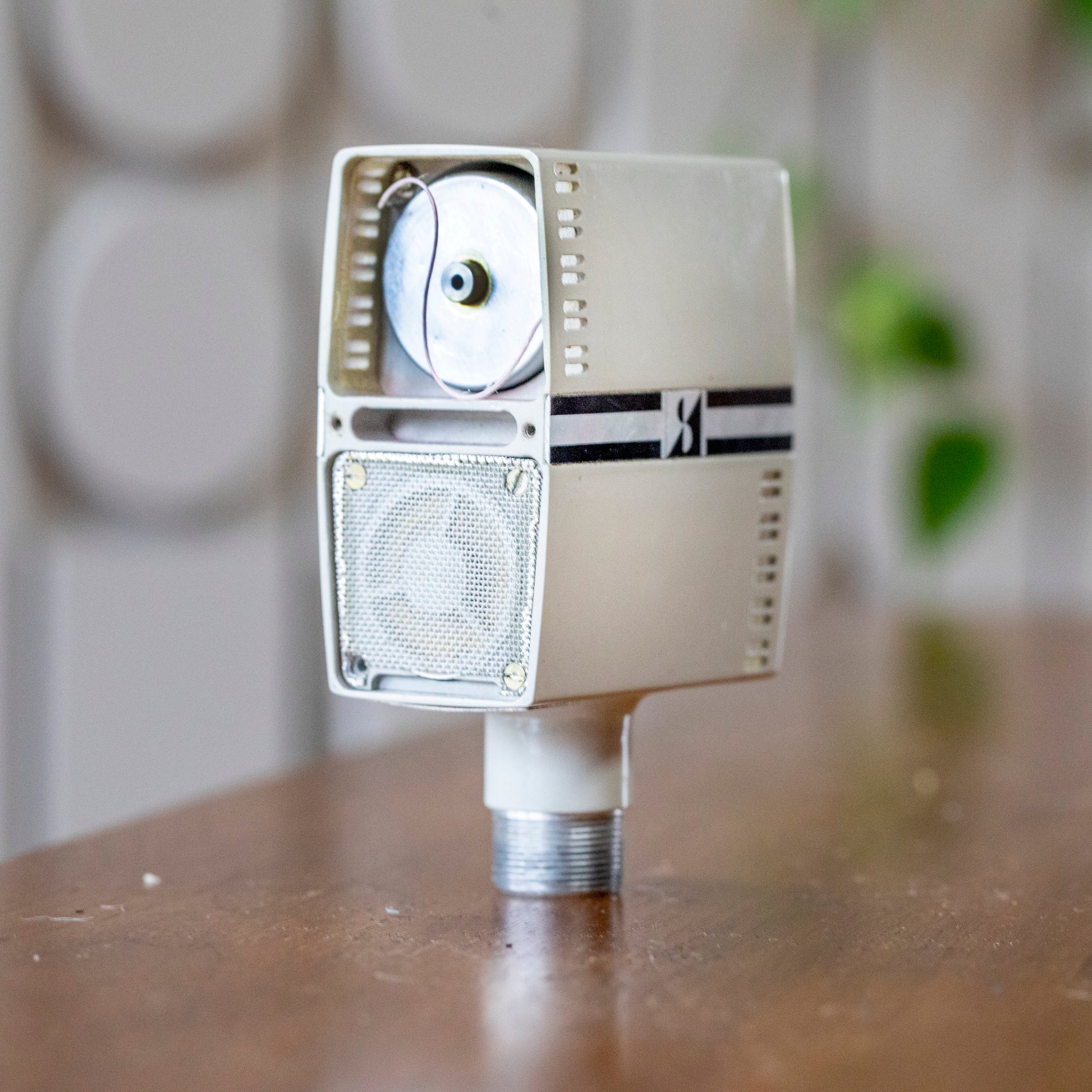
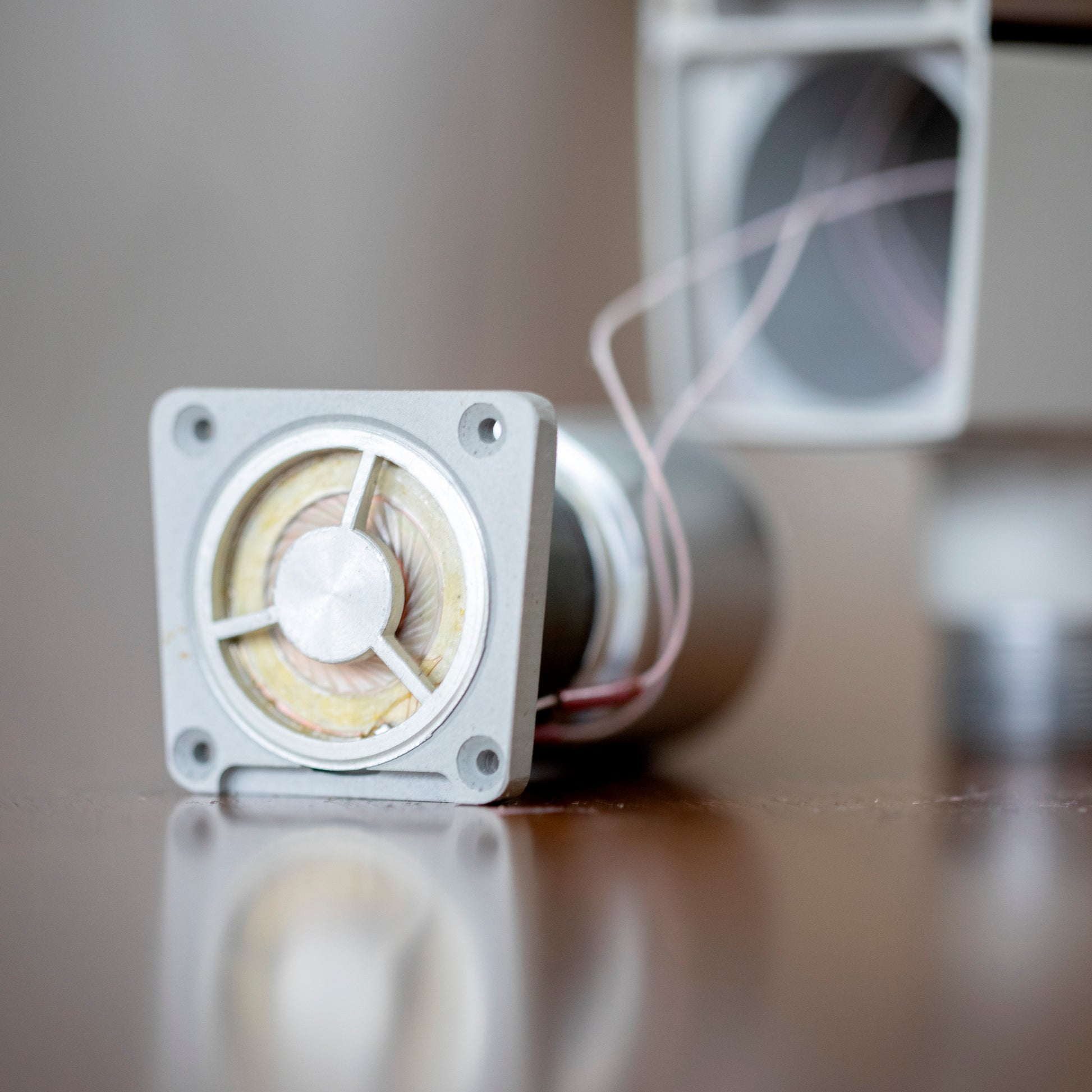
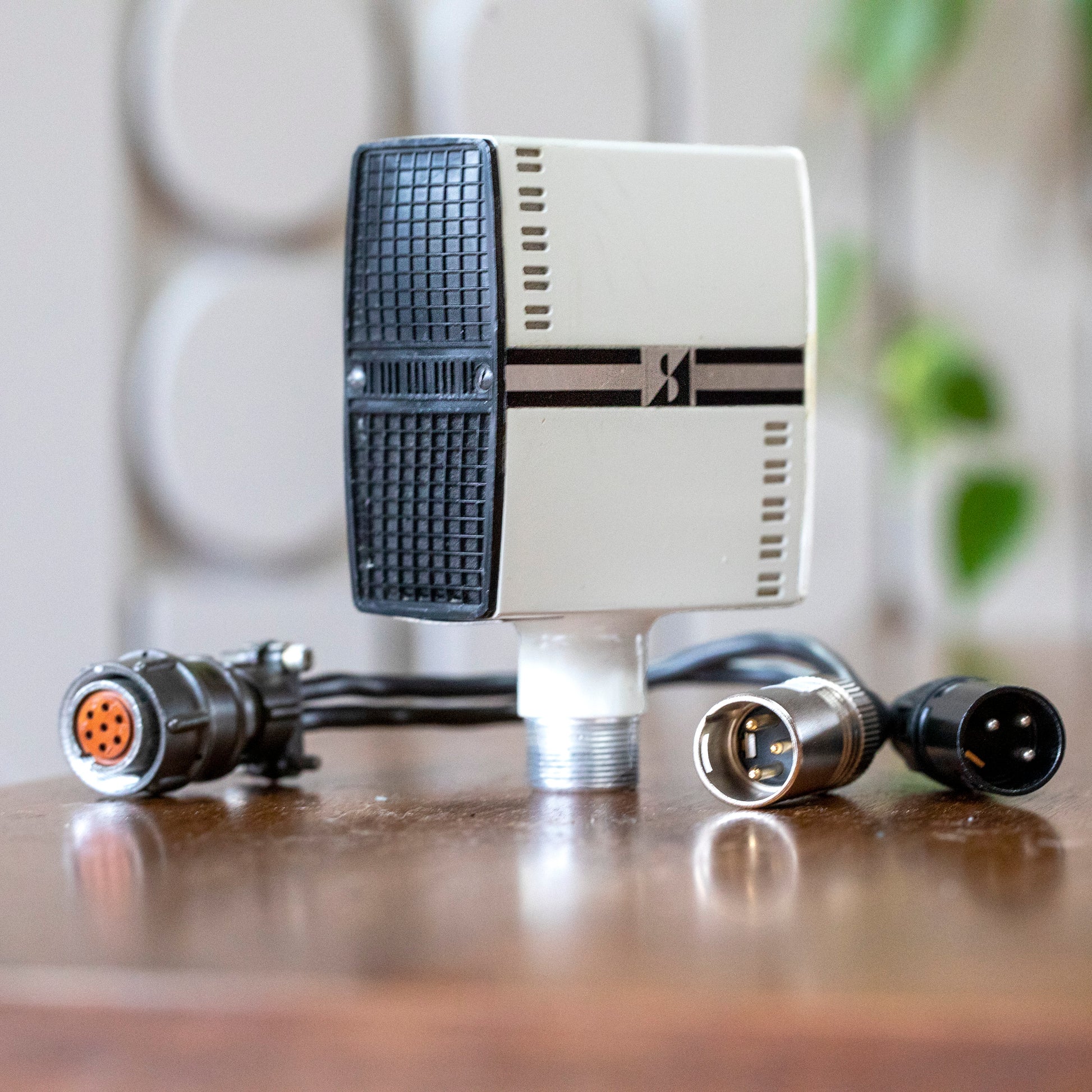
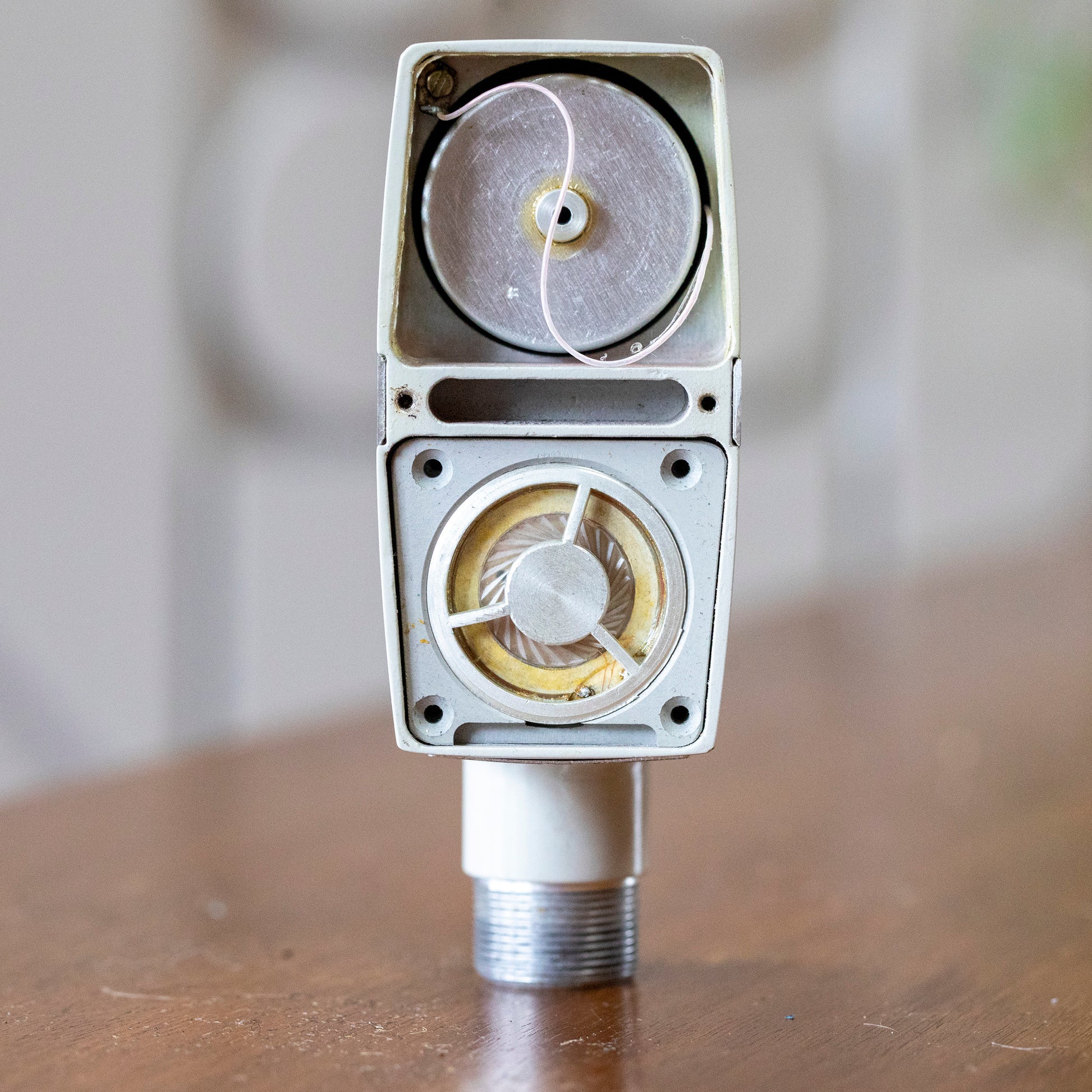
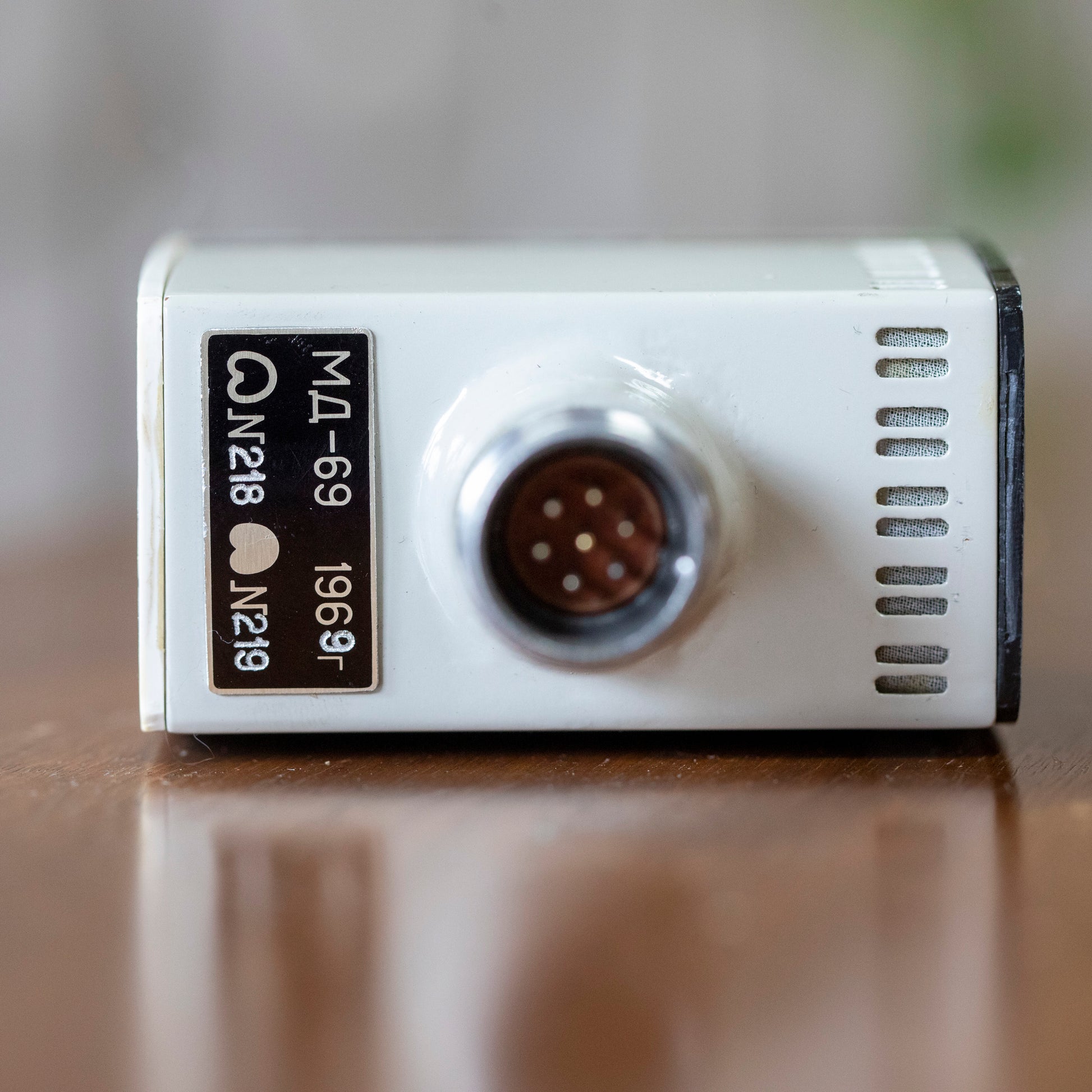
It uses two identical large moving diaphragms (each with their own serial numbers!) positioned back-to-back pointing opposite directions. I can’t help but question the meaning of model number, although it’s probably the year it was designed.
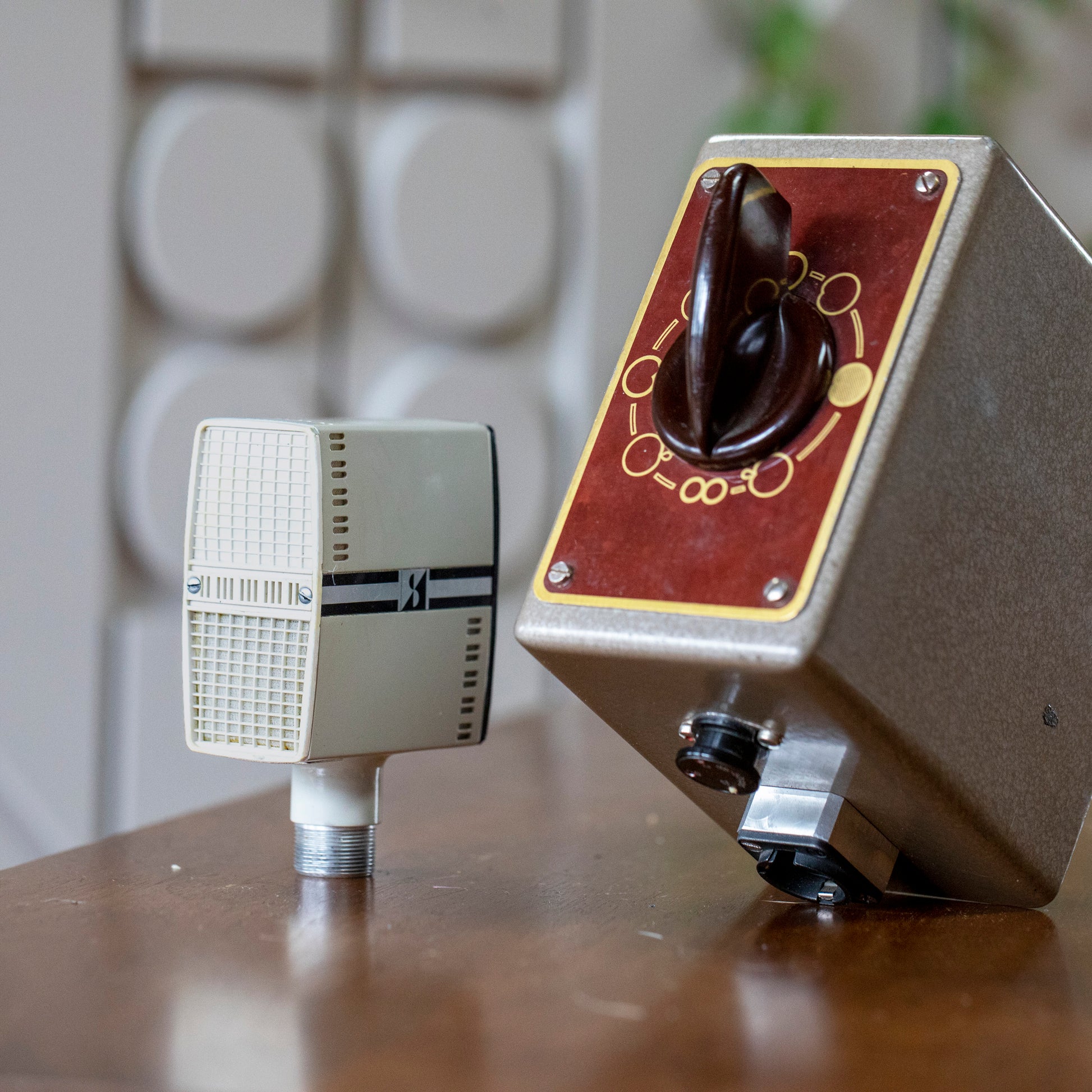
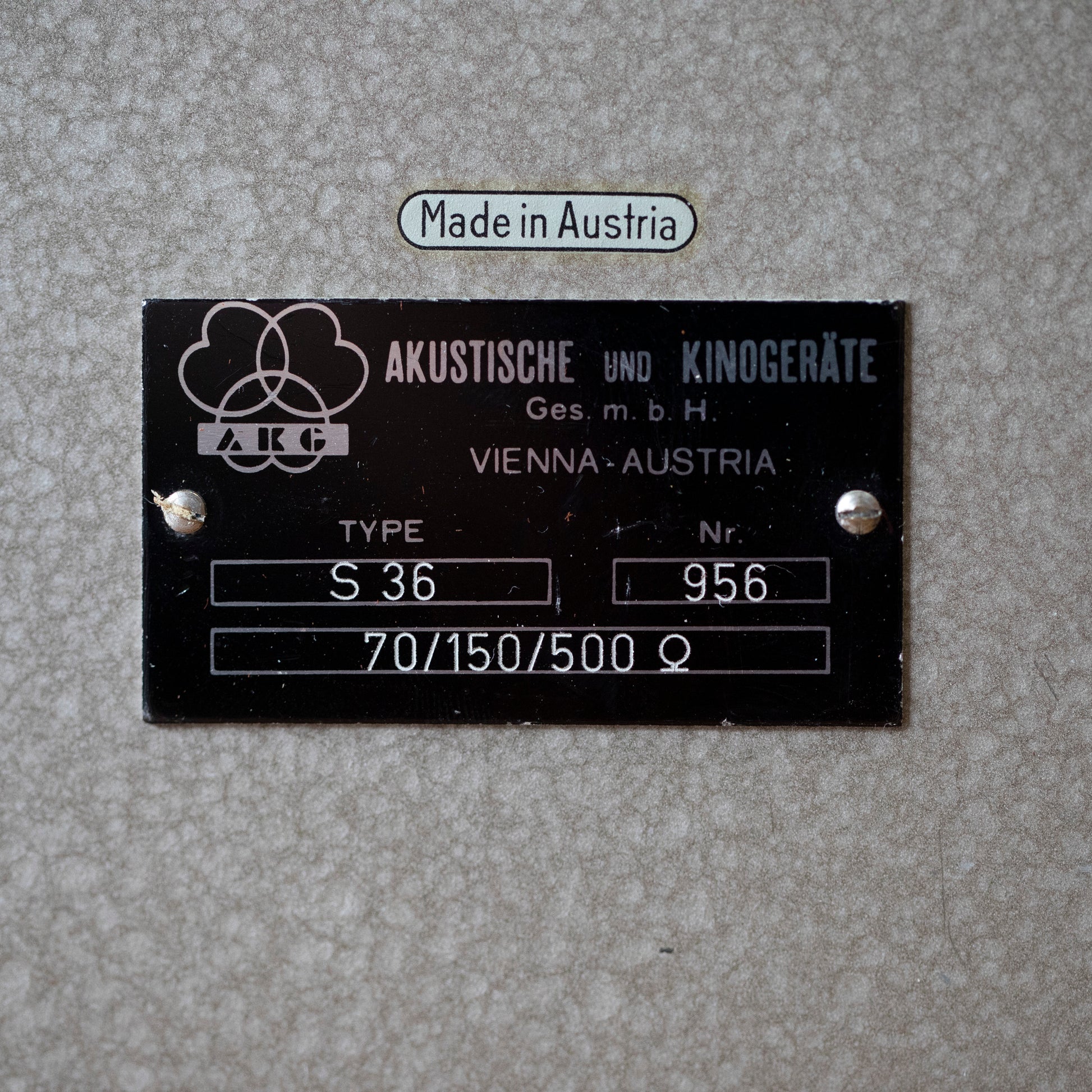
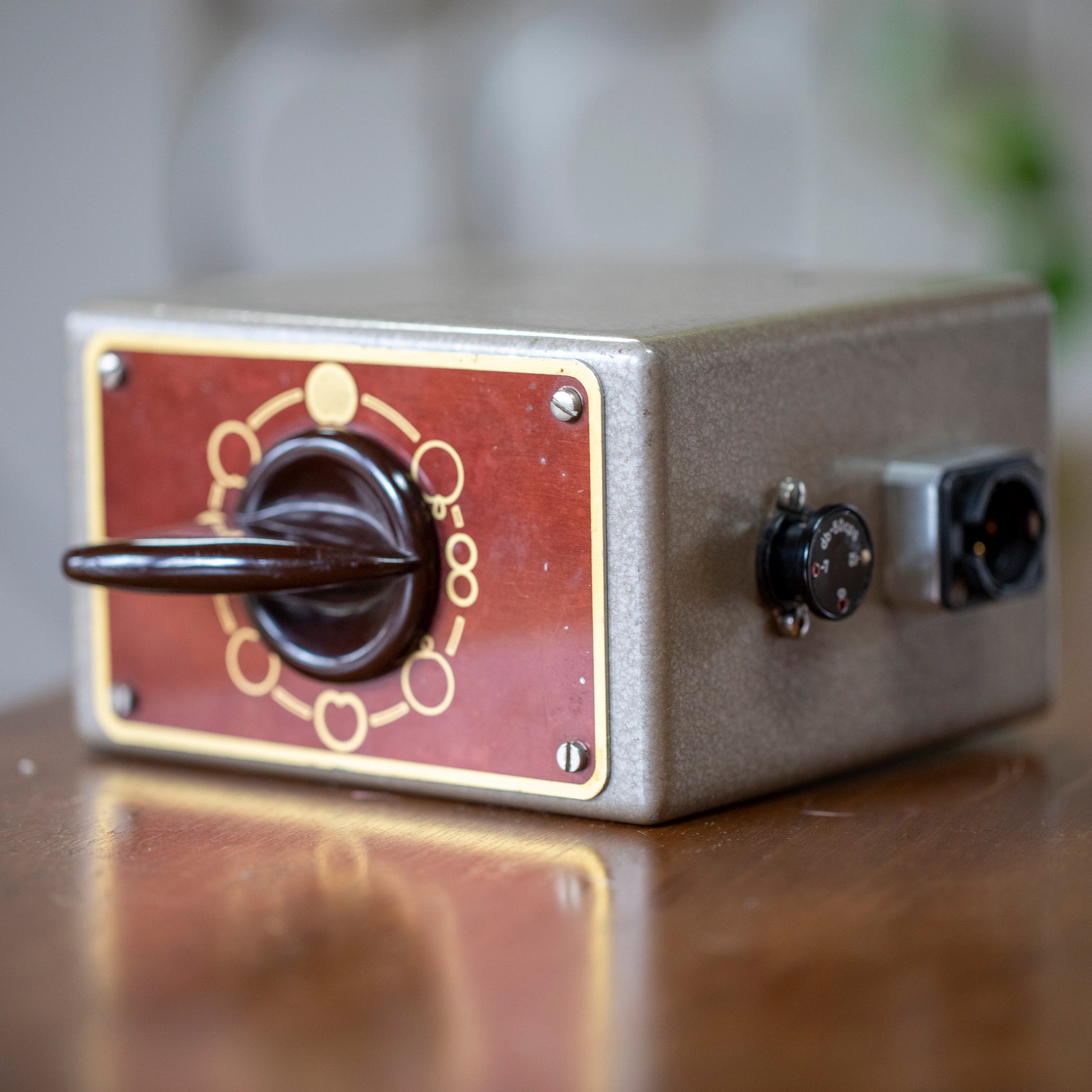
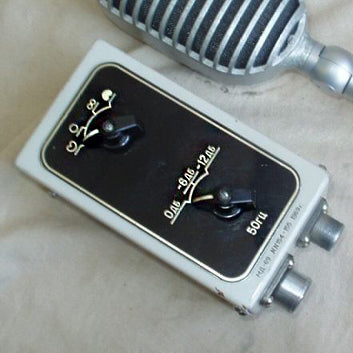
The complete MD69 system includes a polar pattern matrix switch box (last photo) that passively blended the amplitude and polarity of the two capsules to generate different polar patterns, much like an AKG D36. At the time of these photos, we had yet to find an original MD-69 switch box but were lucky enough to find an AKG S36 switch box which worked well. We have since acquired two original switch boxes to be used with the MD69, MD53, and MD56, and now use the AKG S36 switchboxes with our LOMO 19a10 microphones.
We made a breakout cable with two XLRs that allows you to record both capsules separately to blend together at the console or in the DAW. The MD-69 can also be used as a stereo mic – having the two capsules 180 degrees from each other makes a dramatic stereo effect, great for ambient mic’ing.
The mic has a unique sonic character that works well in certain applications such as kick drum, guitar amps, and as a vocal mic. It can be blended with more traditional mics to add color and a unique tonal character.
| Year | 1960 |
|---|---|
| Model | MD-69 |
| Manufacturer | IRPA |
| Country of Origin | USSR (Soviet Union) |
| Microphone Type | Dynamic |
| Polar Pattern | Multipattern |