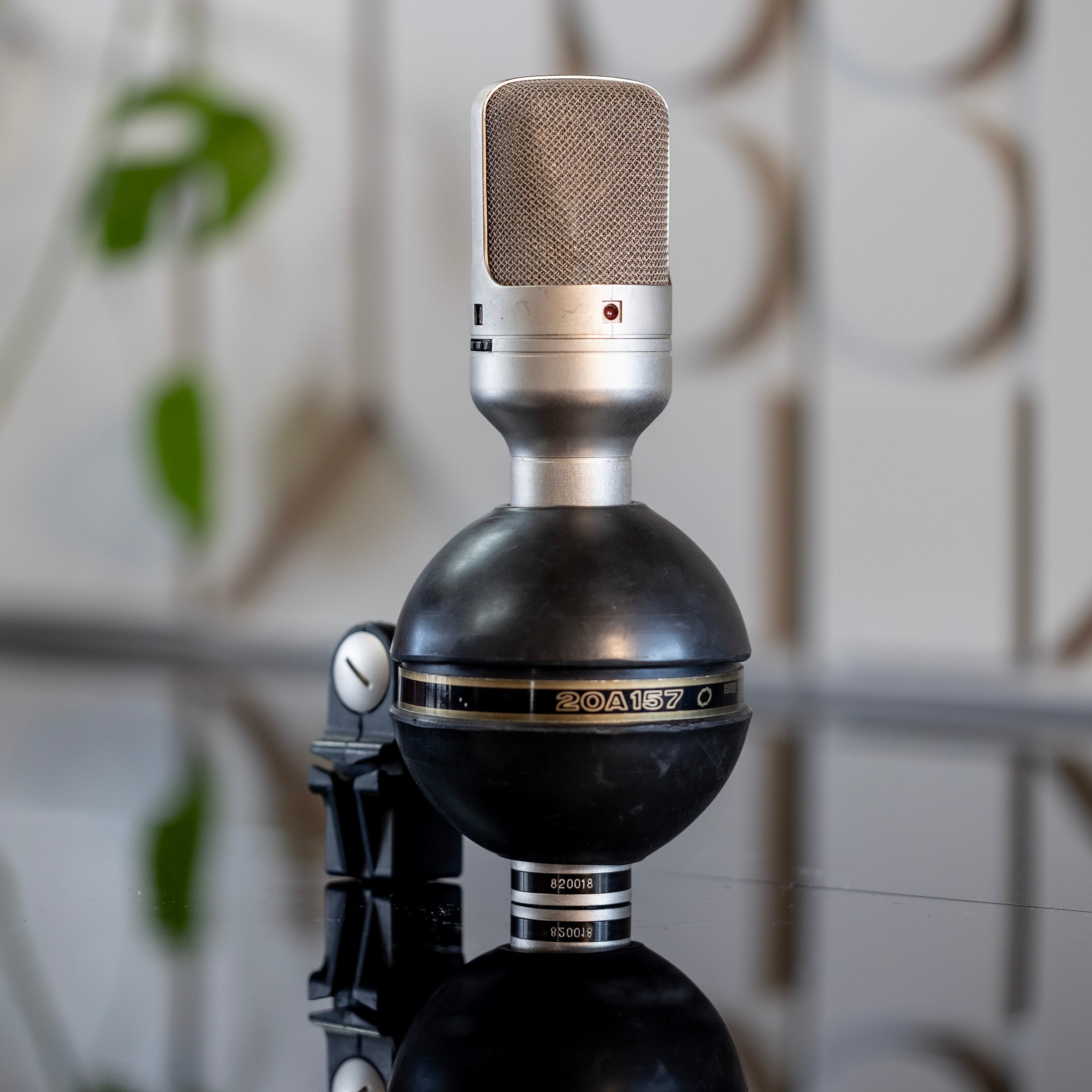
LOMO 19a35
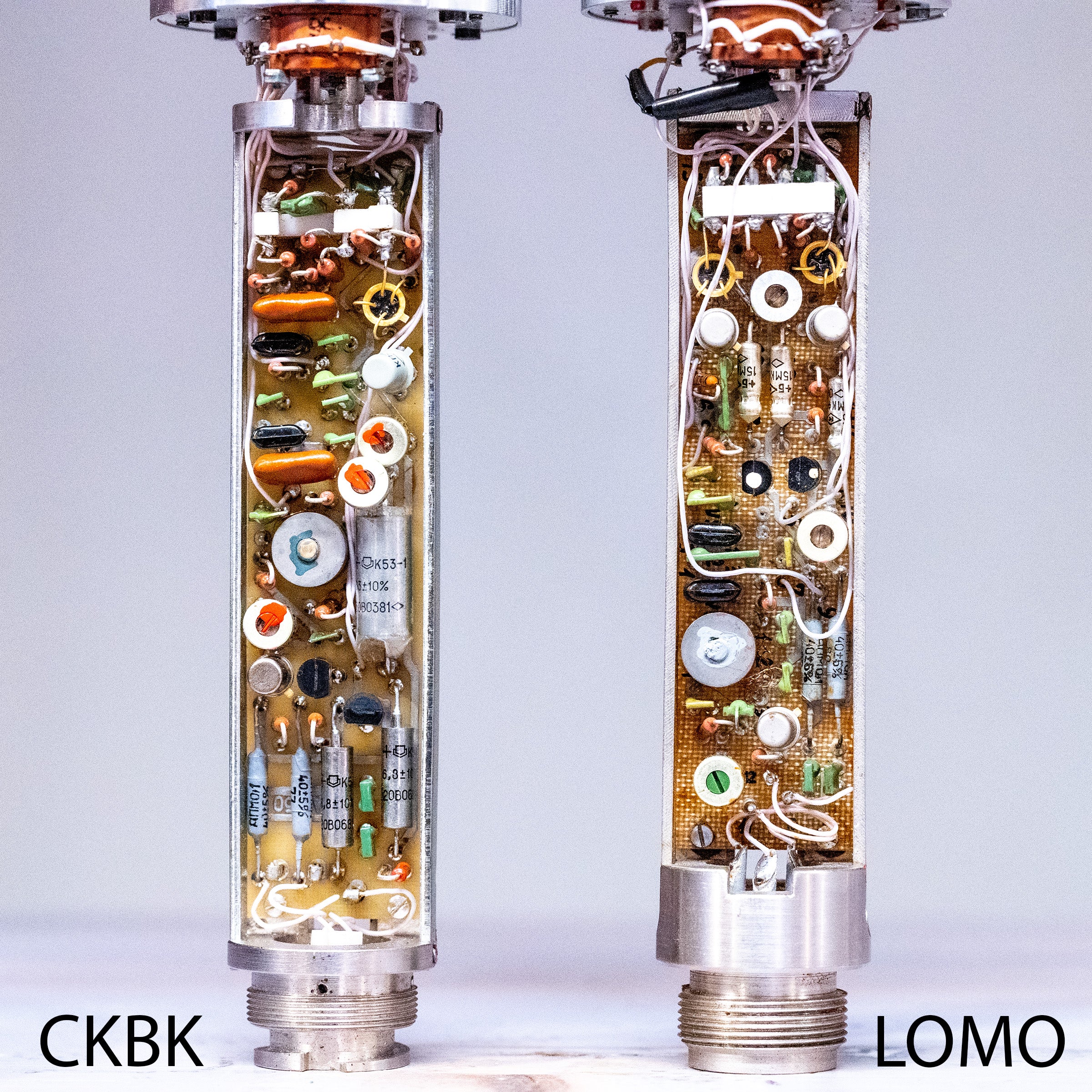
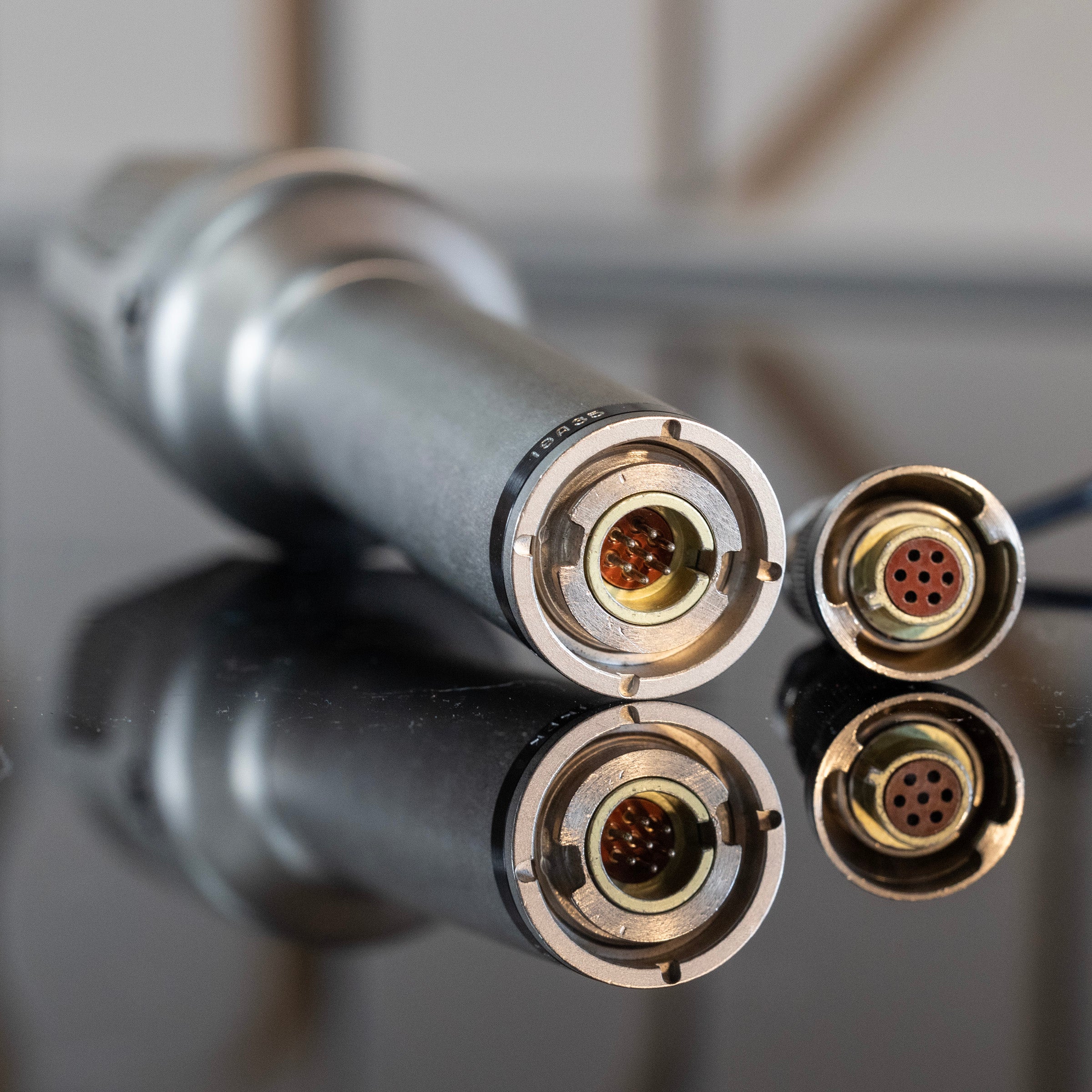
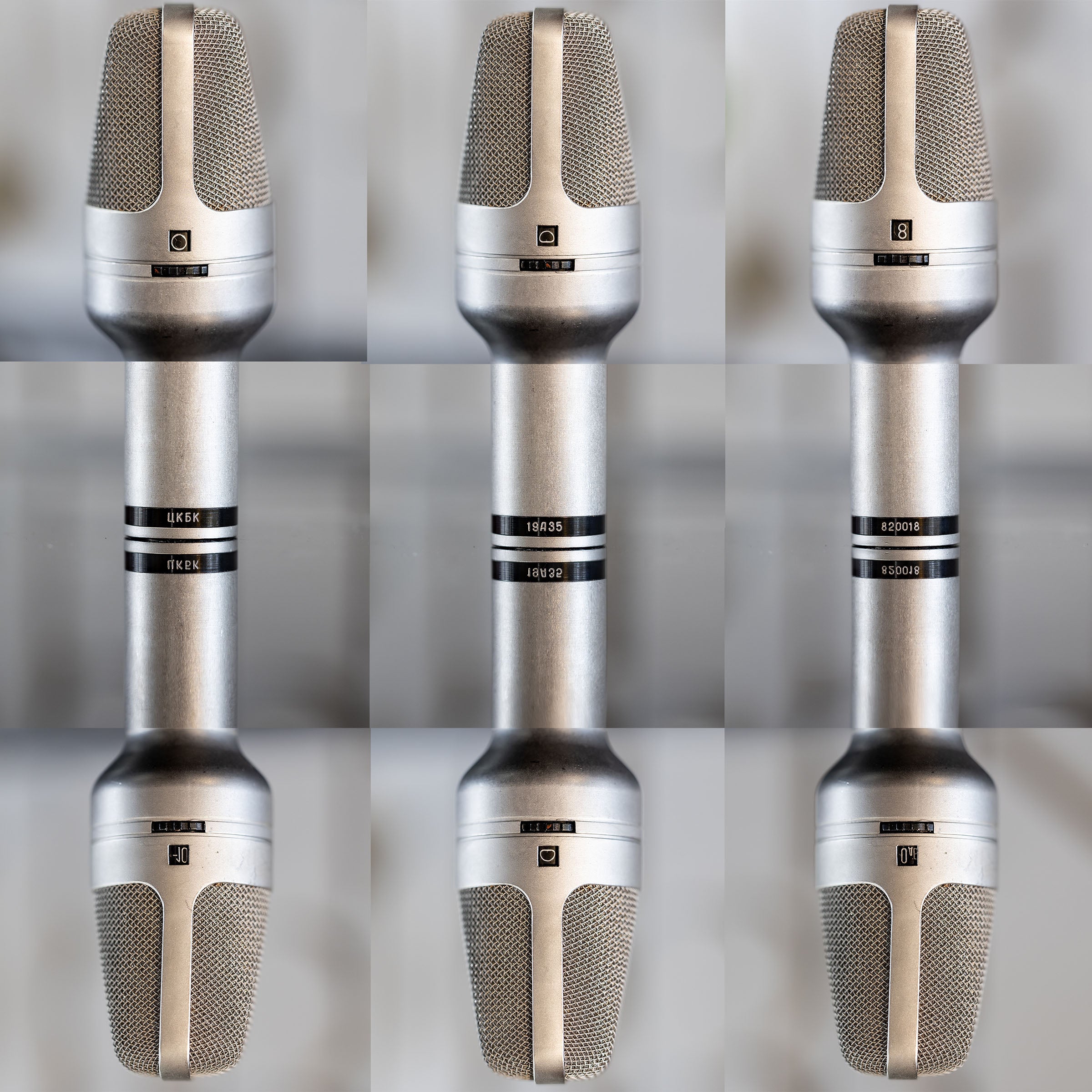
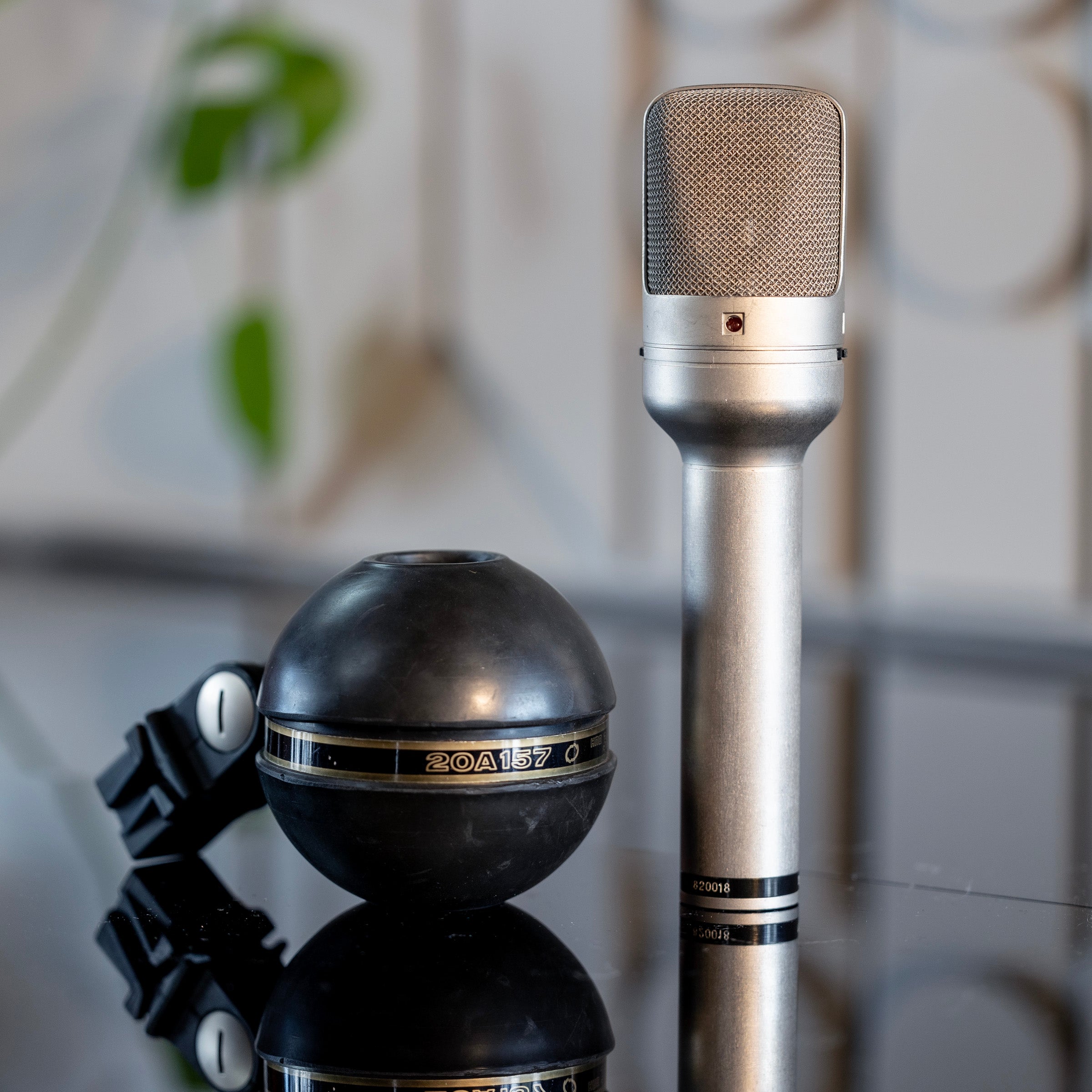
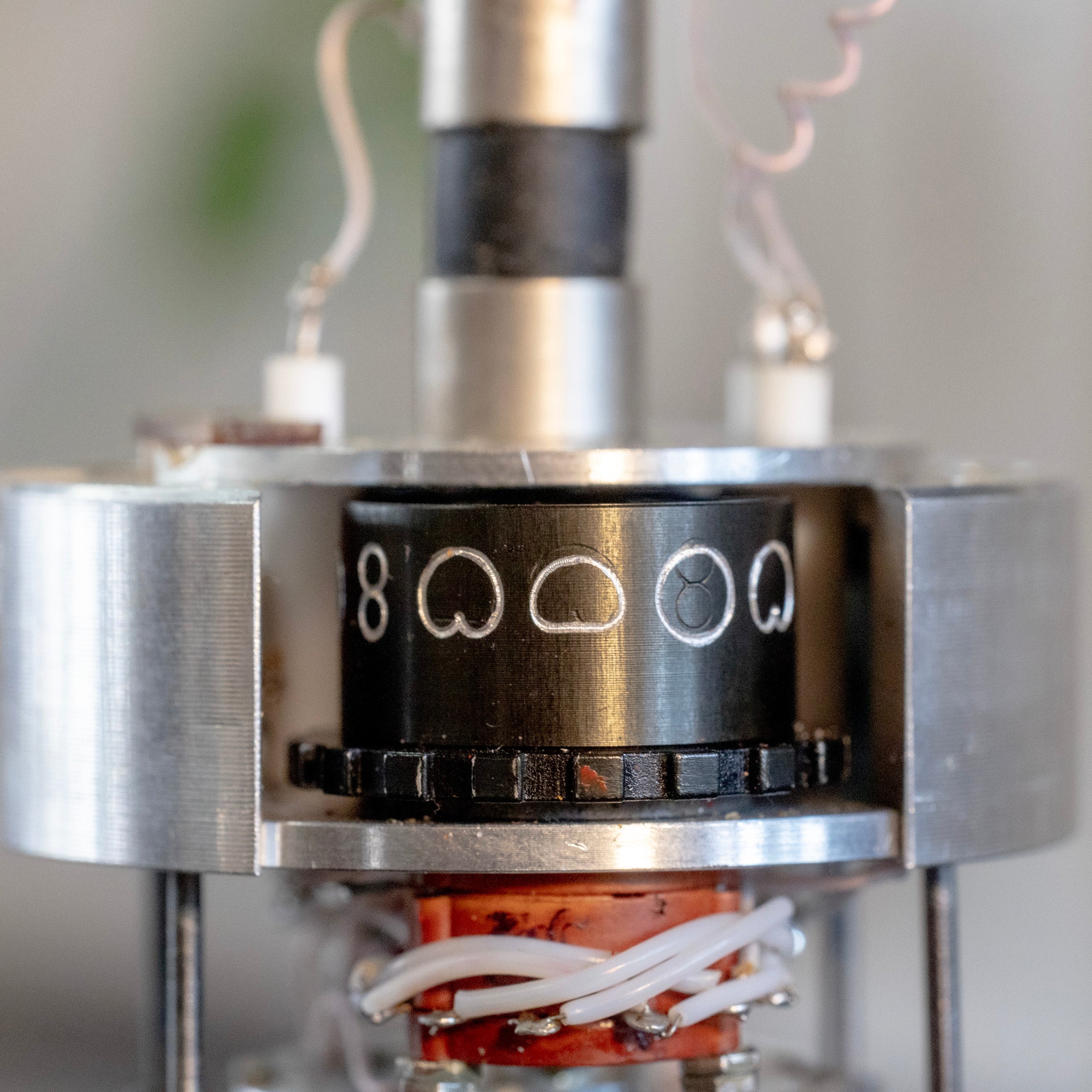
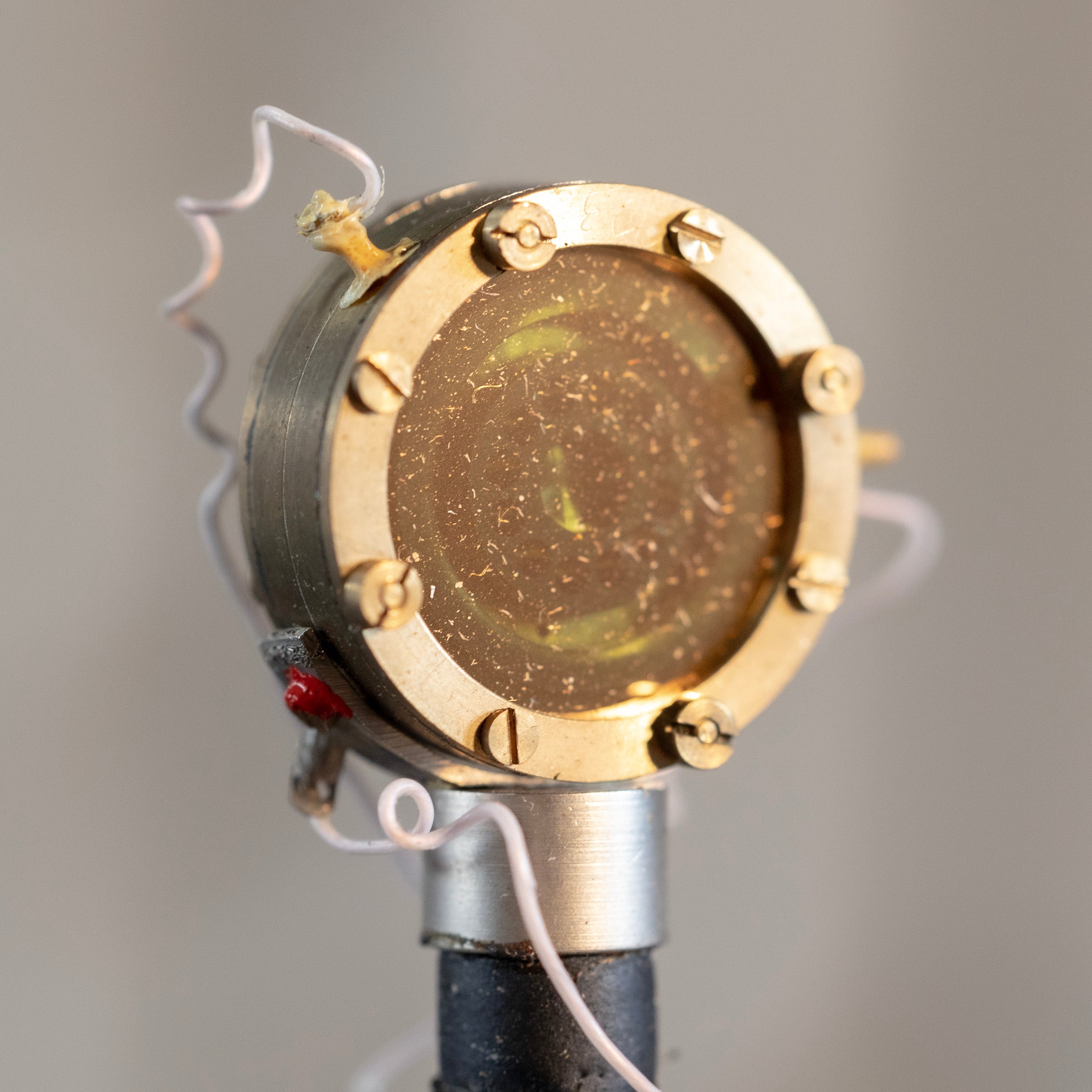
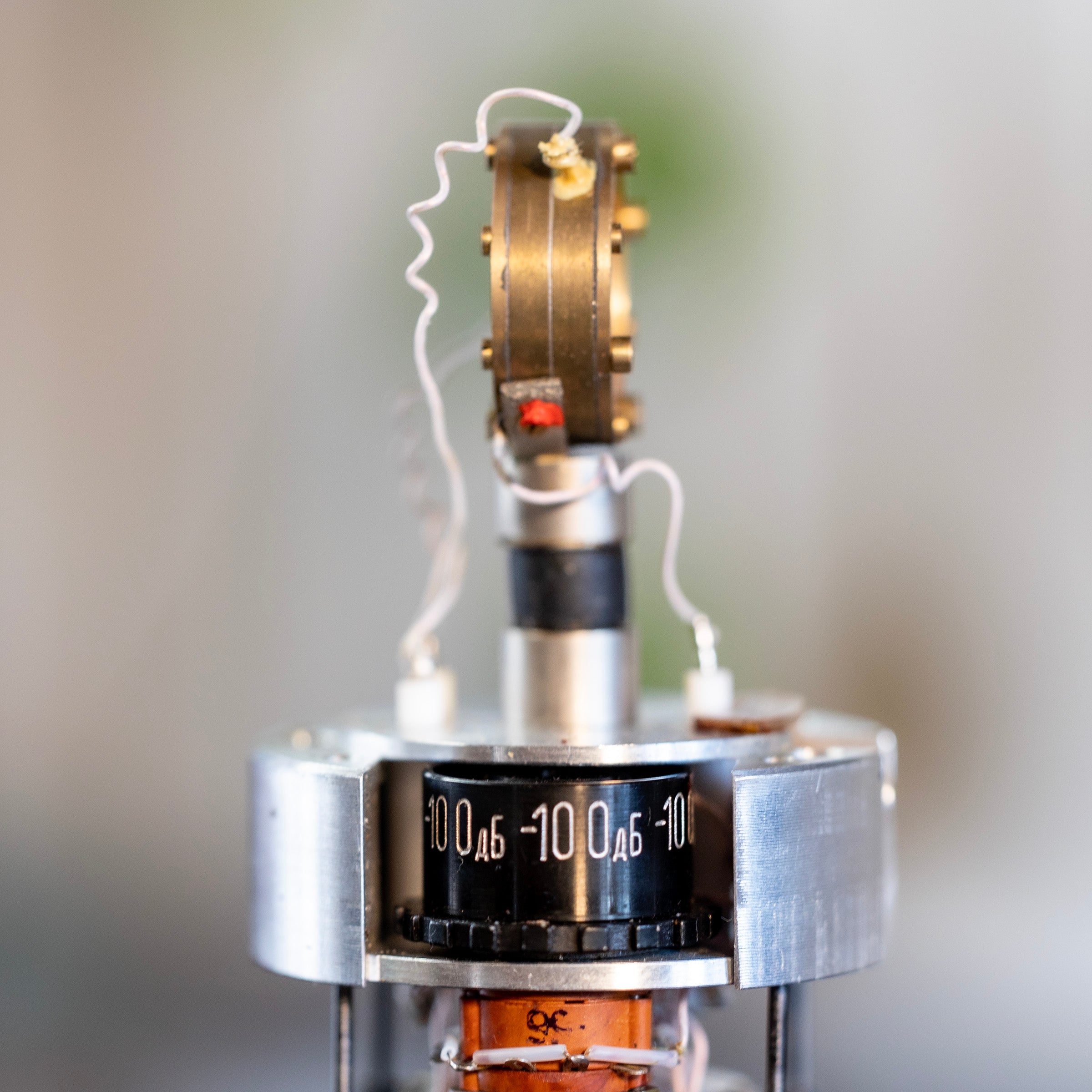
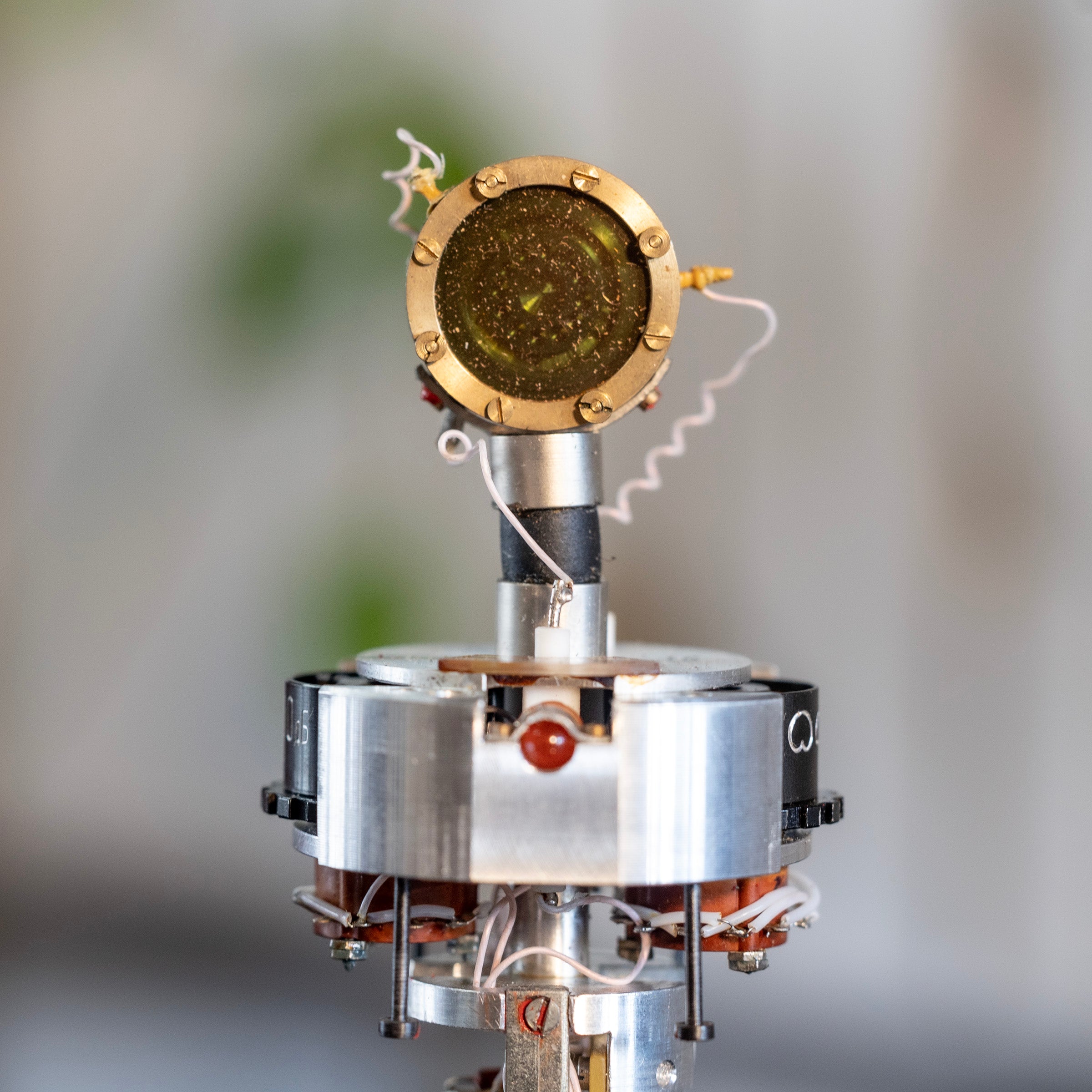
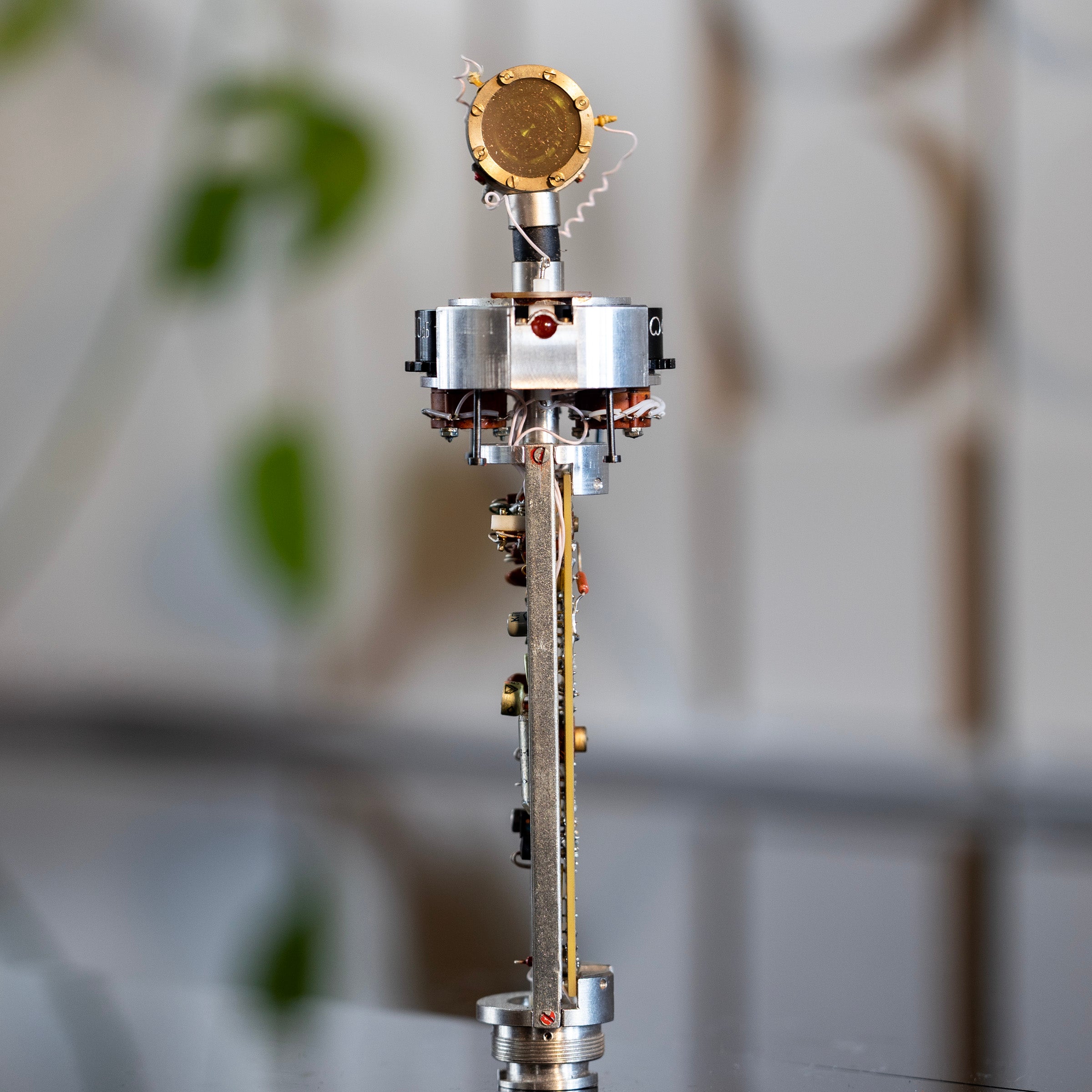
This is a rare CKBK 19a35 from the early 80's. CKBK was responsible for the development of professional microphones in the Soviet Union. and their models are more sought after because of higher quality control, better components, different features, and their rarity. This is our second 19a35 – our other one is a LOMO/NPO EKRAN version which allows us to compare them side-by-side. There are a few differences – the CKBK has a precision twist-lock connector vs an XLR on the LOMO. The CKBK's body has an internal machined groove with a matching key on the internal frame to slide in and lock precisely and a black aluminum ring at the base with an engraved serial number and year. There are also slight differences in the circuits. Without schematics or more electronics knowledge, all I can confirm is that the CKBK has a different PCB layout, one less transistor, and more film caps than the LOMO.
These are phenomenal sounding microphones, and get used regularly in a wide variety of applications. The 19a35 is a solid state, multi-pattern transformerless double-sided edge-terminated medium diaphragm (24mm) condenser with 4 polar patterns: cardioid, wide cardioid, omni, and figure 8. It’s a wonderful sounding workhorse that isn’t overly bright or strident but still has excellent detail and transient response. We have placed this mic in front of kick drums, lead vocals, overheads, and guitar amps, and it's performed admirably every time. It's not overly rich or colored, but also far from being boring or sterile.
If you’re familiar with Nevaton microphones, this mic may look familiar. That’s because the folks at CKBK in the 80's and 90's took their designs with them after the collapse of the Soviet Union and started Nevaton shortly thereafter. I’ve tried confirming how similar these later-era LOMO mics are to their current designs without much luck.
| Manufacturer | LOMO |
|---|---|
| Model | 19a35 |
| Country of Origin | USSR (Soviet Union) |
| Year | 1980's |
| Microphone Type | FET |
| Polar Pattern | Multipattern |
| Capsule | Dual-Sided Edge-Terminated LDC |